
"Divided into"
10000 article(s) found

Introduction to the three types of coffee beans most commonly used in making coffee are divided into three categories
At present, the main species of coffee plants growing in different regions of the world include the following: ARABICA/ROBUSTA/LIBERICA/DEWEVREI/STENOPHILLA/CONGENSIS/ABEOKUTAS/KLAINII/ZAANGUEBARIAE/RACEMOSA. Among them, the most commonly used coffee is divided into three categories: small seed coffee beans (Arabica) and medium seed coffee beans (Robusta).

Introduction to the production area of Ethiopian Coffee Flavor Manor which is divided into washing treatment
Due to different processing methods, coffee can be divided into washed coffee (Washed coffee) and sun-cured coffee (Sun-dried coffee). Washed coffee accounts for 35% of exports. Good quality washed coffee is processed with freshly picked fully ripe fruit, picked carefully and closely monitored by professionals. The clean coffee beans picked up will be pulped on the day of picking.

Yejia Xuefei can be divided into category An and category B according to the different ways of handling raw coffee beans.
Follow the caf é (Wechat official account vdailycom) and found that the beautiful cafe opened a small shop of its own, which is divided into two categories according to the different ways of handling raw coffee beans: category An is washed, and the grade standard is set by the American Fine Coffee Association SCAA, with Gr-1;Gr-2, the smaller the Arabic numeral, the higher the grade, the G1 Yejashafi style is distinct, and the citrus flavor and floral aroma are mixed in the coffee.

Coffee cup size is generally divided into three types
Coffee VS Cup size dependency complex Many times, from the coffee cup size, you can roughly judge the strength of a cup of coffee. Coffee cup size, generally divided into three kinds: * 100CC small coffee cup-mostly used to hold strong hot Italian or single coffee, such as only about 50CC Espresso, although almost a mouthful can be drunk, but linger not to go

Yejia Xuefei can be divided into two categories according to the different ways of handling raw coffee beans.
Category An is the washing method, and the grade standard is set by the American Fine Coffee Association SCAA, which is divided into Gr-1;Gr-2, the smaller the Arabic numeral is, the higher the grade is, the style of G1 Yega Chuefei is distinct, and the flavor of citrus flavor and floral flavor in the coffee liquid is a delicious taste that everyone can't resist; category B is the raw coffee bean processed by the sun, and the grade is Gr-1;Gr-3;Gr-4;Gr-5, which is also the highest.

Introduction to varieties and flavors of Ecuadorian Coffee Manor with well-balanced and refreshing taste
The Arabian Coffee Tree was first introduced to Ecuador (Ecuador) in 1952 and its coffee is of good quality, especially the coffee harvested in early June. Ecuadorian coffee beans can be divided into two varieties: Galapagos and Gigante, both of which have the characteristics of large granules and heavy weight. Ecuadorian coffee can be divided into first class (No.1) and super excellent (ExtraSuperior) according to its quality.

The planting system of Ethiopian coffee is roughly divided into four types.
The planting system of Ethiopian coffee is roughly divided into four categories: 1) primeval forest coffee (Forest Coffee:8-10%) 2) semi-virgin forest coffee (Semi-forest Coffee: 30-35%) 3) Manor coffee (Garden/Cottage: 50% mae 55%) 4) Enterprise coffee cultivation (Plantation Coffee: 5-6%) specifically: primeval forest coffee belongs to the category
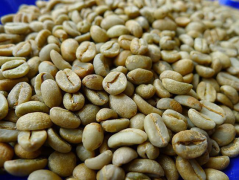
Grade analysis of Ethiopian coffee beans Ethiopian coffee beans are divided into five levels
Ethiopian coffee beans are divided into five levels. The first and second stages are washed beans. Washed beans Grade1 represents 3 defective beans per 300g raw beans, and Grade2 represents 4 defective beans per 300g. Gradc1 grade water washed beans are very rare and are generally difficult to buy. At present, all the washed beans exported from Ethiopia are Grade2 grade. The quality of sun-dried beans is Grade3 and Grade4 in order.
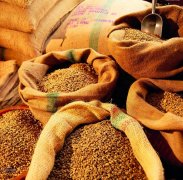
The knowledge of coffee botany is mainly divided into the following five varieties
According to the botanical description of coffee: coffee is Rubiaceae, coffee genus, perennial evergreen shrubs or small trees. There are more than 60 types of coffee classified, but there are roughly two varieties of coffee grown commercially on a large scale, one is Arabica, accounting for about 70 percent of the world's coffee planting area, and the other is Robasta, accounting for about 30 percent of the world's coffee planting area. According to our country

The sizes of coffee cups are generally divided into three types
Cup size in many cases, from the size of the coffee cup, you can roughly judge the intensity of a cup of coffee. The sizes of coffee cups are generally divided into three types: * small coffee cups below 100CC-mostly used to hold strong and scalding espresso or individual coffee, such as E re o with only about 50CC, although it can be drunk almost in one mouthful, it has a lingering mellow aftertaste, and seems to last forever.

Why is coffee divided into single, deep roast and Italian?
Why do coffee beans have such long names? Why is coffee divided into single, deep roast and Italian? Where do all these names come from? When you walk into a specialty coffee shop or open a website for a specialty coffee bean vendor, you may be confused by the variety of coffee names. Why do coffee beans have such long names? Why is coffee divided into single, deep roast and Italian? How is this divided?

The roasting steps of coffee are basically divided into the following four steps
You must have heard a lot about roasting coffee, so what exactly is the effect of roasting on coffee? What is the method of roasting coffee? Next, let's have a look with the editor. It is basically divided into the following four steps: (1) dehydration: generally, the water content of raw beans is about 10%-12%, which is also more suitable for baking, but it will increase the water content because of the humid environment, which leads to damp and moldy.
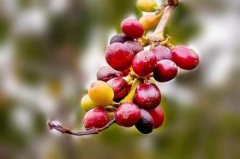
Coffee beans can be divided into male and female?
Coffee beans can be divided into male and female? In fact, male beans are deformities that occur during the growth of coffee beans. In general, coffee beans have two pieces of beans, but there is only one piece of beans, which is also known as a single bean. A piece of beans absorbs more nutrients, and the color, shape and particles of coffee beans are relatively large. The fragrance of boiled coffee is constantly sweet, and the quantity is relatively small, so it is also known as Dream Coffee. Taiwan
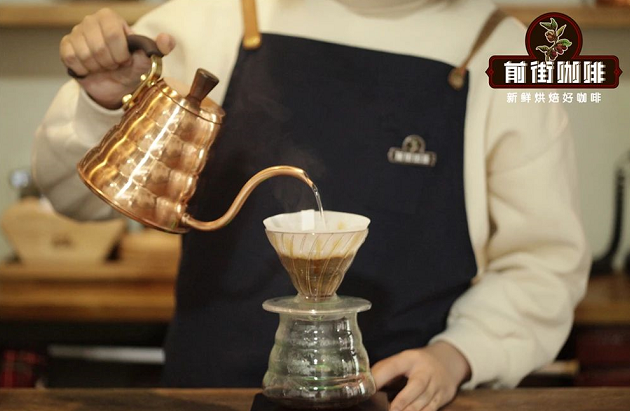
How to pour water into the coffee by hand? How many separate stages of water should be used to make coffee by hand? What's the difference?
Why does hand brew coffee need to be filled with water in stages? At present, the mainstream water injection methods are divided into at least two stages, why? Because. Because of the need for steaming, the first stage of water injection steaming, followed by water injection to extract coffee substances, so at least divided into two stages. Bang-bang! No kidding, what most friends pay attention to

Taste-first origin rating system Brazilian coffee is divided into five grades
The grading system of Brazilian coffee is very special, which is based on the results of the Brazilian cup test as the main basis for grading, rather than referring to altitude, bean size, and so on, as most other coffee beans do. So when we choose and buy Brazil, we often add the number of coffee beans to show its size.

The coffee producing area of Ethiopia is divided into east and west boutique coffee by the East African Rift Valley.
The coffee-producing region of Ethiopia is divided into east and west parts by the East African Rift Valley, with lakes, volcanoes, lowlands, plateaus and woodlands interlaced, each evolving. Ethiopia has the most diverse coffee ecosystem in the world (forest coffee, semi-forest coffee, pastoral coffee and plantation coffee), which also preserves its rich Arabica genes. The eastern half is mostly the plateau.
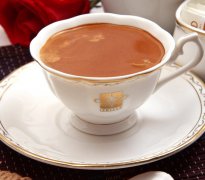
What are the flavors of Kona coffee? What's the taste of Kona coffee? The taste of Kona coffee is divided into
Kona Coffee is fresh, crisp, medium-bodied, slightly sour and full-bodied, with a long finish. Most rarely, Kona Coffee has a blend of wine, fruit and spice, as fascinating as the colorful colors of this volcanic archipelago. Generally speaking, the taste of Kona coffee is relatively mild.

Handmade coffee brewing and filtering can be divided into
Filter type can be divided into: filter cup type: Japanese handmade coffee (Japanese hand brew) is the most. Filter bag type: Italian bag coffee is the best. Professional grinding: Japanese handmade coffee should be ground 1.52 grams. Coffee bean portion control table: one person: 15 grams, 20 grams, two people: 30 grams, 35 grams, three people, 45 grams, 50 grams, four people, 60 grams, 65 grams, five people.

The manufacturing method of coffee flower is divided into two processes.
Official start: first of all, add the milk foam to the Espresso coffee, and when the milk foam and coffee have been fully mixed, the surface will be thick. That's when it's over. Due to the large size of the foam, you need a larger cup, preferably a Cappuccino cup or a mug. Now the formal flower drawing begins, starting with the first leaf.